🌿 Sunday Reflection: Real Kindness vs. the Performance of It
Real kindness creates ripples that reach farther than we ever realize.
I want to start with a heartfelt thank you to those who reached out and offered kind words while my Nextdoor account was suspended. Your support reminded me how powerful genuine kindness really is — the kind that’s felt deeply and doesn’t need to announce itself.
That experience got me thinking about something I’ve noticed more and more lately: the difference between the kindness we talk about and the kindness we actually live.
Words vs. Actions
“Let love and faithfulness never leave you; bind them around your neck, write them on the tablet of your heart.”
— Proverbs 3:3
Real kindness isn’t about posting quotes or sprinkling positive phrases around. It isn’t about appearances at all.
True kindness shows up in how we treat people when things don’t go smoothly. It’s in how we speak when we disagree. And it’s in the willingness to pause, reflect, and make things right when we know we’ve missed the mark.
The Trap of Surface-Level Kindness
There’s another version of kindness out there that looks good on the surface but doesn’t run very deep.
It’s cheerful and polished, but often avoids honest conversations. It hides behind positivity instead of practicing it. And while it might seem harmless, that kind of surface-level kindness is usually more about image than intention.
This is what people mean when they talk about toxic positivity — when feel-good messages become a substitute for real accountability, connection, or growth.
“There’s no person in the whole world like you, and I like you just the way you are.”
— Fred Rogers
That kind of kindness — the real, accepting kind — doesn’t need a spotlight. It builds trust quietly.
Kindness That’s Lived, Not Performed
The truth is, kindness isn’t meant to be a performance. It’s meant to be lived.
Real kindness is steady and consistent. It listens. It learns. It shows up even when no one is watching. And most of all, it makes space for honest conversations, even the hard ones.
“People will forget what you said, people will forget what you did, but people will never forget how you made them feel.”
— Maya Angelou
That’s the heart of it. Words may fade, but kindness that’s practiced leaves a lasting mark.
A Final Thank You
So again, thank you to those who showed me the real thing. Your kindness meant more than you know, and it reminded me that the quiet, genuine version of it will always matter more than the loud, performative one.
Leading with care, learning as I go, and believing we can do better.
— MeShawn
Beware of Brushing Scams with Malicious QR Codes
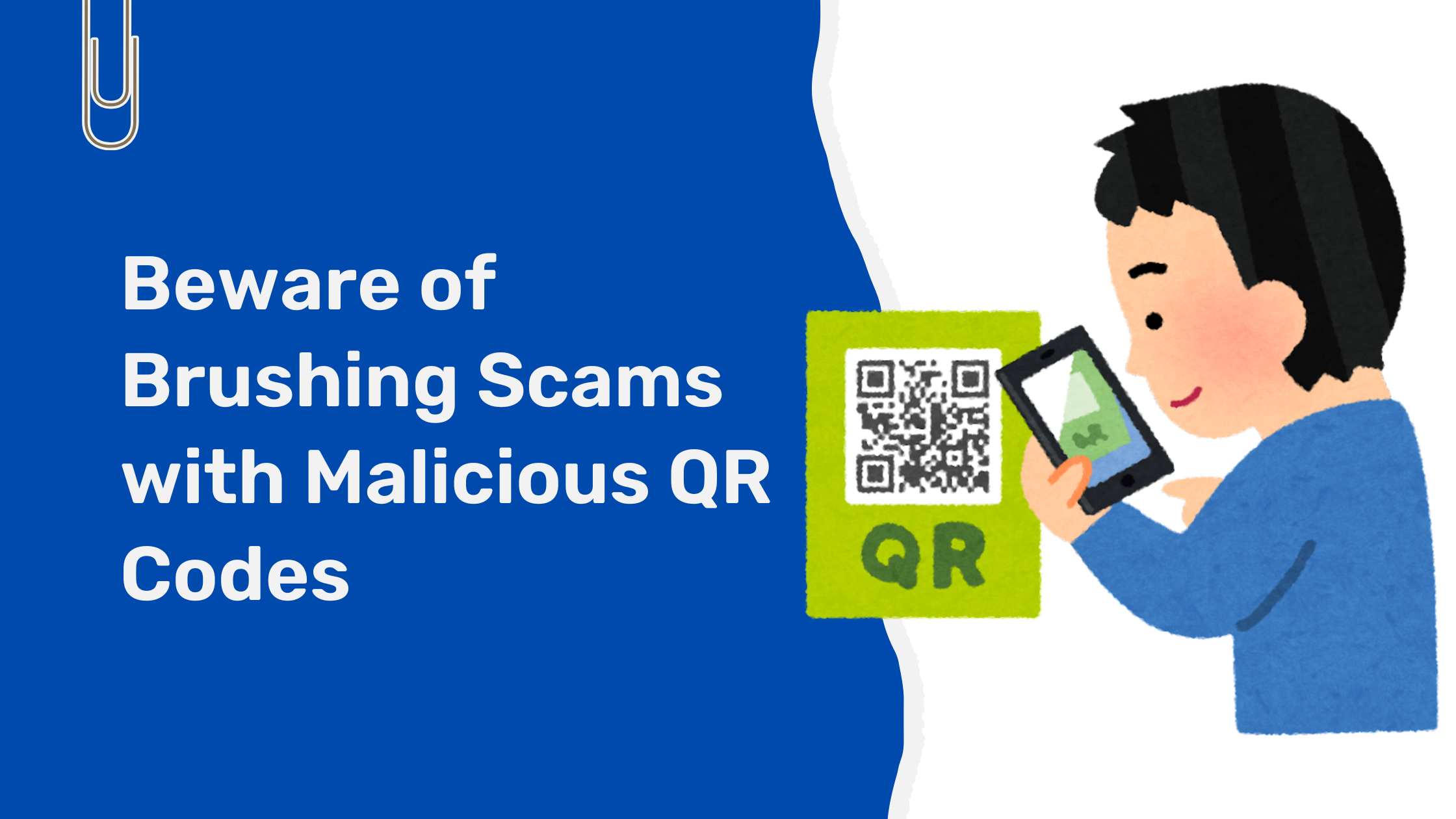
Have you ever opened your mailbox to find an unexpected package you never ordered?
It might look like a harmless (even exciting) surprise—a piece of jewelry, a nifty gadget, or random trinkets. Lately, there’s been an alarming rise in a sneaky twist on this “brushing” scam: malicious QR codes inside unsolicited packages.
In this post, we’ll walk you through what a brushing scam is, how scammers are using QR codes in a new way, and most importantly, how you can protect yourself and your loved ones.
What Is a Brushing Scam?
A brushing scam is a deceptive tactic online sellers use to boost product rankings on marketplaces like Amazon. They send cheap items to random addresses and then label it as a “verified purchase” to post glowing, but fake, reviews under the recipient’s name. This artificially inflates the seller’s ratings, making the product look more legitimate than it really is.
Why It’s a Problem
- It misleads shoppers who trust product reviews.
- It signals that your name and address might be circulating in questionable databases or data leaks.
- It could open the door to more serious forms of identity theft if scammers gain additional personal info.
The Latest Twist: Malicious QR Codes
QR Codes—Convenience or Catastrophe?
While QR codes are great for quick mobile browsing, scammers have begun exploiting them in these unsolicited packages. The package may include a small note saying, “Scan to see who sent this gift!” Resist the urge to scan that code—doing so could redirect you to a phishing site or download malware onto your device.
How It Works
- Unsolicited Package Arrives
You receive something random—like costume jewelry, a small electronic, or a decorative item. - QR Code “Clue”
A card instructs you to scan a code to discover the sender’s identity. - Phishing or Malware
Scanning may lead to a fake site that steals personal info or automatically installs malicious software. - Risk of Identity Theft
Once scammers have your data, they might target your bank accounts, credit cards, or even sell your information on the dark web.
How to Protect Yourself
- Avoid Scanning Random QR Codes
- If you can’t verify the source, don’t scan it.
- Reputable retailers rarely hide important info behind a “mystery” code.
- Verify the Sender
- Check your purchase history on Amazon or other sites.
- Contact the retailer’s official customer service if you’re unsure.
- Monitor Your Accounts
- Keep an eye on your bank and credit card statements.
- Change passwords regularly, and consider using a password manager.
- Run a Security Scan
- If you accidentally scanned a shady code, use a reputable security app or antivirus software on your device.
- Report the Incident
- If the package is branded (e.g., from Amazon), report it to the retailer.
- File a complaint with the FTC (in the U.S.) or your local consumer protection agency if needed.
- Spread the Word
- Talk to friends, family, and neighbors—especially those who might not be tech-savvy.
- Post a brief warning on social media or community boards.
A Quick Note on Identity Monitoring
Worried about scammers exploiting your personal info? Consider looking into an identity theft protection service (like IDShield) that offers continuous monitoring. It’s a simple way to be alerted if suspicious activity involving your personal or financial details appears—giving you a chance to act quickly before any serious damage is done.
What If You’ve Already Scanned the Code?
- Disconnect Your Device: Temporarily turn off Wi-Fi or data to minimize further compromise.
- Run a Malware Scan: Use a trusted antivirus or security app right away.
- Change Critical Passwords: Start with financial, email, and social media accounts.
- Check Your Bank Statements: Contact your financial institution if anything looks off.
- Warn Your Contacts: Scammers may try to phish people in your address book.
Final Thoughts
Brushing scams are no longer just about suspicious free packages—they now come with malicious QR codes that prey on your curiosity. Stay vigilant, verify unexpected packages, and remember: if you don’t know where it came from, don’t scan any code it contains.
Pro Tip: If you want extra peace of mind regarding your personal data, a monitoring service can help you stay one step ahead of would-be identity thieves. Visit my website at https://meshawn.legalshieldassociate.com to learn more.
If you found this helpful, please share it with someone who might benefit from a heads-up. The more people know about this growing scam, the safer we’ll all be from identity theft and cybercrime. Stay safe—and remember, when in doubt, don’t scan!
Disclaimer: This information is for general awareness and does not constitute legal or financial advice. If you suspect you are a victim of fraud, contact the appropriate authorities and consider consulting a professional.
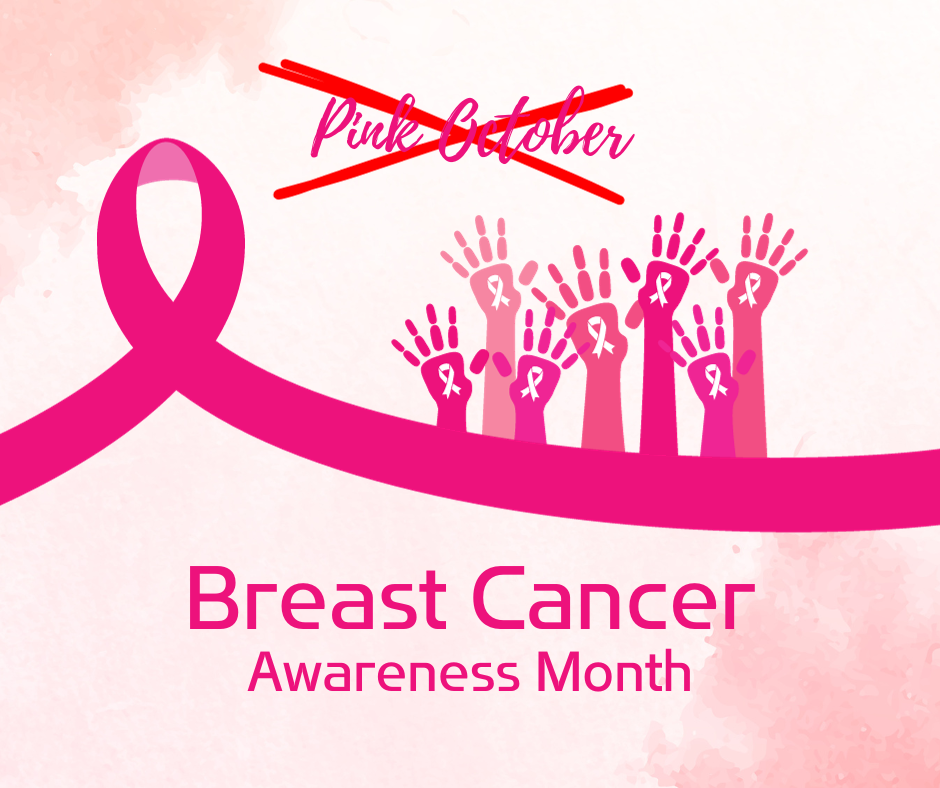
Why Pinktober Needs a Rethink
Did you know?
The original Breast Cancer Awareness Ribbons were peach-colored loops handmade in 68-year-old Charlotte Haley’s dining room. The reason we don’t use those peach-colored loops now is that she didn’t want her call to action to become a commercialized money-maker.1
October is often associated with breast cancer awareness, and it’s a time when you see a lot of pink ribbons, merchandise, and campaigns aimed at raising funds and awareness for breast cancer. As someone who deeply cares about supporting cancer patients, including my mom, a head cancer survivor, you might wonder why I don’t fully embrace the “Pinktober” movement.
First and foremost, I want to make it clear that I wholeheartedly support the cause of finding a cure for cancer and helping those affected by it. My family has been, and continues to be deeply impacted by cancer. However, over the years, I’ve questioned the effectiveness and impact of the pink ribbon campaigns that dominate October. Here’s why:
Lack of Transparency and Fake Merchandise: Many pink products on the market during October claim to support breast cancer charities, but often, only a fraction of the proceeds go towards research and patient support. It’s crucial to research the products and charities you’re supporting to ensure your money is making a real difference. Additionally, there’s a concerning issue of fake pink merchandise flooding the market, where unscrupulous sellers capitalize on the goodwill of buyers without contributing anything to charity.2 This deceptive practice can divert funds away from legitimate cancer support organizations.
Oversimplification and Unique Challenges: Simplifying a complex issue like cancer into a single color and ribbon can inadvertently trivialize the intricate challenges faced by patients and survivors. It’s crucial to appreciate that cancer encompasses a myriad of forms, impacting individuals uniquely, and each necessitates tailored support and research. 3
Year-Round and Lifelong Support: Cancer patients require support not only during treatment but also throughout their lives.4 The treatments themselves can cause long-term issues and side effects that necessitate ongoing care and assistance. This includes physical, emotional, and financial support, all of which extend far beyond the initial diagnosis and treatment phase. Some cancer patients lead normal lives before they begin treatment, having no real symptoms from the cancer itself. Cancer treatments take a huge toll on the body, though undoubtedly most survivors are usually quite happy to be alive. But the side effects of treatment can often last far into the future, sometimes for the rest of the survivor’s life. We need to be sure to be supporting them, too.
Focus on Prevention and Holistic Methods: While finding a cure is crucial, equal emphasis should be placed on prevention and early detection. Educating people about healthy lifestyles, regular screenings, and holistic methods can make a significant impact on reducing cancer rates. Holistic approaches include promoting overall wellness through nutrition, stress management, and mindfulness, which can play a vital role in preventing cancer and supporting those undergoing treatment.5
My decision not to fully embrace “Pinktober” isn’t a lack of support for cancer patients but rather a desire for more effective, year-round, and holistic approaches to fighting cancer. Let’s work together to make a real difference in the lives of those affected by cancer, including our loved ones. It’s essential to remember that cancer is not a one-size-fits-all battle. Each individual’s journey is unique, and our support should reflect that. Whether offering a listening ear, contributing to legitimate cancer support organizations, or promoting healthy lifestyles and prevention, we can all make a meaningful impact.
Stay passionate, stay informed, and keep spreading knowledge and support. 💪💕
-MeShawn
From Keyboard to Courtroom: Criminal Consequences of Online Threats in California
In California, making threats online is a serious offense that can lead to criminal charges under various state laws. The rise of digital communication platforms has expanded the avenues through which threats can be communicated, and California law has adapted to address these challenges. Below is an overview of the legal landscape surrounding online threats in California.
Relevant California Laws
Criminal Threats (Penal Code § 422)
- Definition: It is illegal to willfully threaten to commit a crime that will result in death or great bodily injury to another person. The threat can be made verbally, in writing, or electronically (including online).
- Elements:
- The threat was unequivocal, unconditional, immediate, and specific.
- It conveyed a gravity of purpose and an immediate prospect of execution.
- It caused the person threatened to be in sustained fear for their safety or the safety of their immediate family.
- Penalties:
- Can be charged as either a misdemeanor or a felony (“wobbler” offense).
- Misdemeanor: Up to 1 year in county jail.
- Felony: 16 months to 3 years in state prison.
- Additional penalties if a deadly weapon was used.
Cyberstalking (Penal Code § 646.9)
- Definition: Repeatedly harassing or threatening someone through electronic communication devices, including the internet.
- Elements:
- Willful, malicious, and repeated following or harassing.
- A credible threat intended to place the victim in reasonable fear for their safety or the safety of their immediate family.
- Penalties:
- Misdemeanor: Up to 1 year in county jail.
- Felony: 2 to 5 years in state prison.
- Enhanced penalties for prior convictions or violating restraining orders.
Electronic Harassment (Penal Code § 653.2)
- Definition: Using electronic communication to instill fear or harass someone, including sending harmful information about a person with the intent to cause others to harass them.
- Penalties:
- Misdemeanor offense.
- Up to 1 year in county jail and/or fines up to $1,000.
Extortion via Threatening Letters (Penal Code §§ 519-523)
- Definition: Sending threatening communications to extort money or property.
- Penalties:
- Felony offense.
- 2 to 4 years in state prison.
Key Considerations
- Intent: The prosecution must often prove that the defendant intended their words to be perceived as a threat.
- Recipient’s Perception: The threat must be such that a reasonable person would feel threatened.
- Specificity and Immediacy: Vague or ambiguous statements may not meet the legal threshold for a criminal threat.
Legal Defenses
- Lack of Intent: Arguing that there was no intention to cause fear.
- Free Speech: Claiming the statements are protected under the First Amendment.
- No Immediate Threat: The threat lacked immediacy or specificity.
- False Accusation: The accusation is unfounded or fabricated.
Reporting and Investigation
- Law Enforcement Involvement: Victims should report online threats to local law enforcement agencies.
- Evidence Preservation: It’s crucial to save all communications, screenshots, and any relevant digital evidence.
- Collaboration with Cybercrime Units: Specialized units may be involved to trace anonymous threats or gather electronic evidence.
Impact of Technology
- Anonymity Challenges: Perpetrators may use anonymous accounts, but law enforcement can often track IP addresses and work with internet service providers.
- Social Media Platforms: Many platforms have policies against harassment and can suspend or delete offending accounts.
Preventive Measures
- Restraining Orders: Victims can seek restraining orders to legally prohibit contact.
- Privacy Settings: Adjusting online privacy settings to limit exposure.
- Awareness and Education: Understanding the laws and potential consequences can deter individuals from making threats online.
Recent Developments
- Enhanced Legislation: California continues to update laws to address cyberbullying and online harassment.
- Case Law: Court rulings further define the scope and interpretation of what constitutes an online threat.
Online threats are taken seriously in California and can lead to significant legal consequences, including imprisonment and fines. Don’t face these challenges alone. With LegalShield, you can access experienced attorneys who can guide you through the complexities of the legal system. Protect yourself and your loved ones—fill out the contact form below to learn how LegalShield can provide you with the legal support you need.
Disclaimer: Please note that I am an independent representative of LegalShield. The views expressed in this blog are my own and do not necessarily reflect the official policy or position of LegalShield. This content is for informational purposes only and should not be considered legal advice. LegalShield provides access to legal services offered by a network of provider law firms to LegalShield members. For legal assistance, please contact a licensed attorney.

Protect yourself and your rights with LegalShield’s expert legal assistance.
Fill out the form below to get started:
Thank you for your response. ✨

Unlocking the Hidden Value of Legal Plans
Prior to stepping into my role as a representative for a company specializing in legal plans, I had yet to grasp the sheer breadth of life’s circumstances that truly necessitate expert legal guidance. Like many people, I thought of lawyers as professionals you only call in times of dire need, such as criminal charges or major lawsuits. However, my journey into the world of legal plans opened my eyes to the myriad situations in which legal advice can make a significant difference in our lives.

Understanding Legal Plans
First and foremost, it’s crucial to understand what a legal plan is. A legal plan is essentially a subscription-based service that provides access to legal advice and services for various legal issues. These plans cover a wide range of situations, from drafting wills and estate planning to handling real estate transactions, divorce, employment disputes, and more.
My Journey Begins
My journey into the world of legal plans began when I joined a company that offered these services, following a layoff from my previous seven-year position. At first, I had a limited understanding of what this job entailed. I assumed I would be dealing with clients primarily in times of crisis. I soon discovered that legal plans were ingeniously designed to adopt a proactive approach, empowering individuals to avert potential legal issues and adeptly navigate intricate situations long before they evolved into major crises. In fact, while composing this blog post, I reached out to my law firm regarding a specific matter I required advice on and promptly received the essential guidance I was seeking.
Some days, you can’t help but think, “If I’d only known then what I know now”.
Eye-Opening Realizations
- Estate Planning: One of the most common and important services offered by legal plans is estate planning. I quickly learned that creating a will and making sure your assets are distributed as you wish after your passing is not just for the elderly or the wealthy. It’s for anyone who wants to ensure their loved ones are taken care of and that their wishes are respected.
- Real Estate Transactions: Buying or selling a home is a significant event in anyone’s life. Legal plans often provide services related to real estate transactions, ensuring that contracts are fair, title searches are conducted, and the process runs smoothly, without costly surprises down the road.
- Family Law: Family disputes, including divorce and child custody issues, can be emotionally and financially draining. Legal plans can be invaluable in these situations, providing guidance and representation to help clients navigate the complexities of family law while minimizing the emotional toll.
- Employment Issues: From wrongful termination to workplace discrimination, employment-related legal issues are more common than you might think. Legal plans can provide employees with access to experienced attorneys who can help protect their rights and interests. Moreover, some legal plans can be provided as employee perks, giving employers a way to assist their employees in protecting themselves and cutting down on the time employees spend dealing with legal issues on their own.
- Identity Theft: Identity theft is a growing concern in our digital age. Many legal plans offer services to help clients navigate the legal challenges that can arise from identity theft, such as restoring their credit and dealing with fraudulent charges.
Becoming a representative for a company that offers legal plans has been an enlightening experience for me. I’ve come to realize that legal advice isn’t just for the courtroom or extreme situations. It’s a valuable resource that can help individuals and families navigate life’s challenges, protect their assets, and ensure their rights are upheld. Legal plans offer a proactive approach to legal issues, helping people prevent problems before they escalate into costly and stressful crises.
If you’re like me and once believed that legal advice was only necessary in the most dire circumstances, I encourage you to reconsider. Legal plans provide an accessible and affordable way to access legal expertise when you need it most, and they can make a world of difference in your life. It’s not just about reacting to legal problems; it’s about being proactive in safeguarding your future and ensuring peace of mind. Take charge of your legal well-being and guarantee peace of mind for both yourself and your loved ones. No need to wait for a crisis to unfold. Get in touch with us now to discover the countless advantages of having a legal plan in place for you and your family. Don’t leave anything to chance – empower yourself with the protection you deserve today.
Contact Us
Thank you for your response. ✨
Join us for a free Wills & Estate Planning Webinar, where we’ll guide you through the ins and outs of securing your future!

 This powerful online Estate Planning & Wills webinar is conducted by two experienced LegalShield provider lawyers, and designed to provide valuable insights and guidance on managing your estate and creating a will.
 In this webinar, you’ll learn:
 What does a Will do?
 What Assets are Controlled by a Will?
 What Happens Without a Will?
 5 “No-Will” Situations to Avoid
 Problems with DIY Estate Planning
Please register via Eventbrite:  https://bit.ly/2TGWillWebinar

Prayers for Hawaii
As we gather for #WillsWednesday to discuss estate planning and securing our legacies, the ongoing wildfires fueled by Hurricane Dora’s winds in Hawaii serve as a poignant reminder of life’s uncertainties. In moments like these, having a thoughtfully crafted will becomes more than just a legal document – it’s a gesture of care and consideration for those we cherish.
Amidst nature’s unpredictable forces, a well-prepared will can provide peace of mind, ensuring your wishes are upheld even in challenging times. It’s about safeguarding not only your assets but also the future comfort of your loved ones.
Let’s approach our present and future with grace, and take steps today to protect what matters most. 🏡📜 #LegacyProtection #lastloveletter #2tropicalgals #prayforhawaii

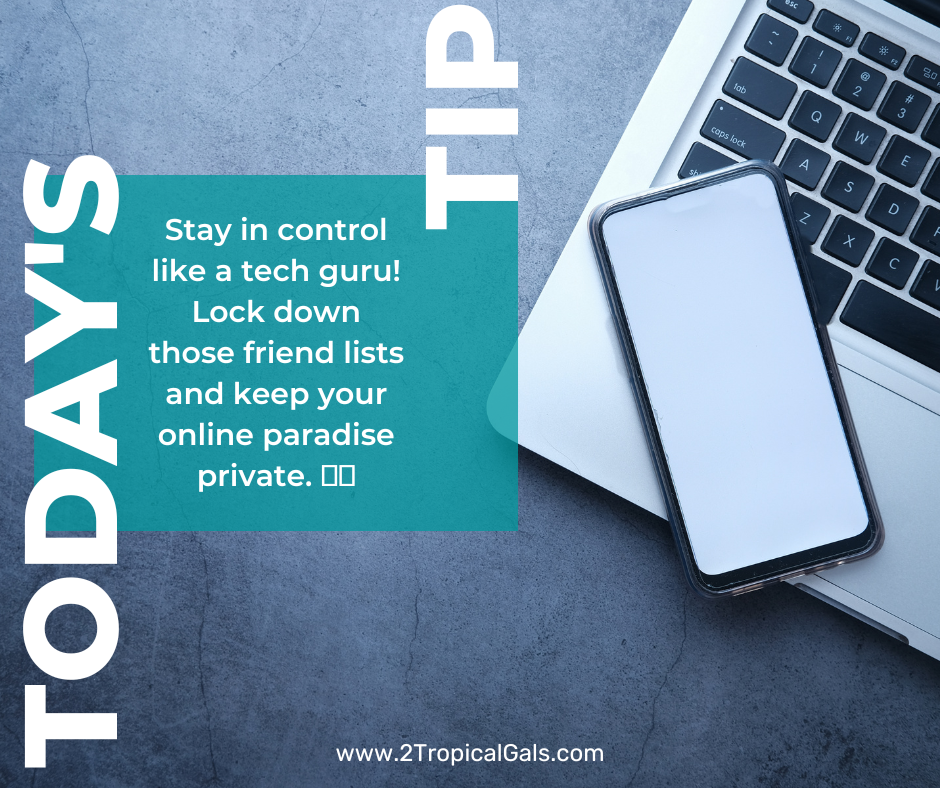
Tech-Tip Tuesday for August 8, 2023!
🌴📱 Hey there, tech-savvy pals! It’s Tech Tip Tuesday with The 2 Tropical Gals! 🌺🌊 Today, let’s talk about something crucial – locking down your friend lists on social media. 🔒👥 Keeping your online circle secure is like having your own little oasis. By controlling who can see your connections, you’re adding an extra layer of privacy to your digital paradise. So, dive into your settings, adjust those permissions, and let’s keep your virtual beach party exclusive! 🏖️😎 Remember, a little control goes a long way in the tech world! 💻🔐 #TechTipTuesday #PrivacyMatters #2TropicalGals


 The 2 Tropical Gals